Beer is more than a popular beverage. It is also a highly competitive commercial product influenced by consumer preferences, production efficiency, packaging quality, distribution costs, and brand positioning.
For breweries, success depends on maintaining consistent flavor while controlling operating expenses. Whether a company produces craft beer in small batches or supplies supermarkets at a large scale, every stage must support product quality and reliable delivery.
Understanding the Modern Beer Market
The beer market includes traditional lagers, ales, wheat beers, stouts, alcohol-free products, flavored varieties, and seasonal releases. Consumers now have more choices, which encourages breweries to develop products for specific tastes and purchasing occasions.
Large producers often compete through pricing, distribution coverage, and brand recognition. Smaller breweries may focus on local ingredients, distinctive flavors, limited production, or a stronger connection with regional customers.
This variety creates opportunities, but it also increases competition. A good beer alone may not be enough. Producers must understand who will buy the product, where it will be sold, and why customers should choose it over other options.
Product Consistency Builds Customer Trust
Customers expect the same beer to deliver a familiar taste, color, aroma, and carbonation level each time they purchase it. Inconsistent products can quickly damage brand confidence, especially when beer is supplied to retail stores, restaurants, hotels, or distributors.
Breweries need to control raw material quality, fermentation temperature, brewing time, filtration, and storage conditions. Accurate records also help operators identify changes between batches and correct problems before the beer reaches the market.
Quality control should continue during filling and packaging. Poor sealing, oxygen exposure, unstable pressure, or incorrect filling levels may shorten shelf life and affect the drinking experience.
Efficient Bottling Supports Business Growth
As sales increase, manual filling and packaging become difficult to manage. A properly designed beer bottling line can connect bottle rinsing, filling, capping, labeling, inspection, and conveying into a continuous production process.
The right equipment capacity should match current output and expected growth. Buying an oversized system may create unnecessary investment and energy costs, while an undersized system can limit production during busy periods.
Breweries should also consider bottle size, closure type, carbonation pressure, cleaning requirements, and changeover time. Flexible machinery makes it easier to introduce new bottle formats or produce multiple beer varieties on the same line.
Packaging Protects the Product and Brand
Beer packaging has several functions. It protects bottles during transportation, provides product information, improves shelf presentation, and communicates the position of the brand.
Glass bottles offer a traditional appearance and strong protection against gas loss. Cans are lightweight, easy to transport, and provide excellent protection from light. Kegs remain important for restaurants, bars, events, and draft beer distribution.
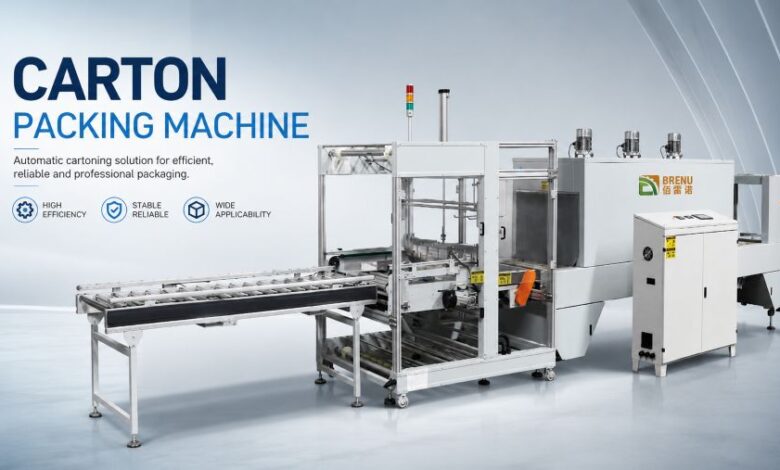
Outer packaging must also withstand stacking, warehouse handling, and long-distance shipping. A carton packaging machine can improve packing speed, maintain consistent carton formation, and reduce manual labor when production volumes increase.
Branding Influences Purchasing Decisions
Beer buyers often make decisions based on packaging before tasting the product. Bottle shape, label design, color selection, and carton appearance can help a brand stand out in crowded retail environments.
Premium beer may use heavier bottles, textured labels, specialty printing, or carefully designed gift cartons. Everyday products often require simpler packaging that keeps costs under control while remaining easy to recognize.
Brand communication should remain consistent across bottles, cans, cartons, websites, advertisements, and sales materials. A clear visual identity makes the product easier to remember and supports long-term market development.
Distribution Requires Careful Planning
Beer distribution can involve supermarkets, convenience stores, restaurants, bars, hotels, online retailers, and regional wholesalers. Each sales channel may have different packaging, delivery, pricing, and storage requirements.
Local distribution allows breweries to respond quickly and build close relationships with customers. Entering distant or international markets can increase sales potential, but it may also add freight costs, longer delivery times, labeling regulations, and distributor margins.
Producers should calculate the complete delivered cost rather than focusing only on brewing expenses. Packaging materials, warehouse space, damaged products, transport distance, and retailer fees can significantly affect profitability.
Sustainability Can Reduce Operating Costs
Many breweries are working to reduce water use, energy consumption, packaging waste, and transportation weight. These improvements can lower operating costs while supporting a more responsible brand image.
Practical measures include recovering heat, optimizing cleaning cycles, reducing bottle damage, using recyclable materials, and selecting packaging sizes that improve pallet utilization. Returnable bottles and reusable kegs may also be suitable in markets with established collection systems.
Sustainability decisions should be based on actual production and distribution conditions. A packaging option that appears environmentally friendly may create higher emissions when it requires heavier transport or complicated recycling.
Planning for Long-Term Beer Business Growth
A successful beer business combines a reliable product with efficient production, suitable packaging, strong branding, and realistic market planning. Growth should be supported by equipment and processes that can maintain quality as output increases.
Before expanding, breweries should review production capacity, packaging formats, labor requirements, warehouse space, distribution channels, and customer demand. Gradual investment often provides greater flexibility than installing a large system before stable sales have been established.
Beer remains a competitive product, but it also offers room for innovation. Companies that understand their customers, control production details, and build a recognizable brand are better positioned to develop sustainable and profitable operations.
Beer as a Business: Production, Branding, and Market Growth
Beer is more than a popular beverage. It is also a highly competitive commercial product influenced by consumer preferences, production efficiency, packaging quality, distribution costs, and brand positioning.
For breweries, success depends on maintaining consistent flavor while controlling operating expenses. Whether a company produces craft beer in small batches or supplies supermarkets at a large scale, every stage must support product quality and reliable delivery.
Understanding the Modern Beer Market
The beer market includes traditional lagers, ales, wheat beers, stouts, alcohol-free products, flavored varieties, and seasonal releases. Consumers now have more choices, which encourages breweries to develop products for specific tastes and purchasing occasions.
Large producers often compete through pricing, distribution coverage, and brand recognition. Smaller breweries may focus on local ingredients, distinctive flavors, limited production, or a stronger connection with regional customers.
This variety creates opportunities, but it also increases competition. A good beer alone may not be enough. Producers must understand who will buy the product, where it will be sold, and why customers should choose it over other options.
Product Consistency Builds Customer Trust
Customers expect the same beer to deliver a familiar taste, color, aroma, and carbonation level each time they purchase it. Inconsistent products can quickly damage brand confidence, especially when beer is supplied to retail stores, restaurants, hotels, or distributors.
Breweries need to control raw material quality, fermentation temperature, brewing time, filtration, and storage conditions. Accurate records also help operators identify changes between batches and correct problems before the beer reaches the market.
Quality control should continue during filling and packaging. Poor sealing, oxygen exposure, unstable pressure, or incorrect filling levels may shorten shelf life and affect the drinking experience.
Efficient Bottling Supports Business Growth
As sales increase, manual filling and packaging become difficult to manage. A properly designed beer bottling line can connect bottle rinsing, filling, capping, labeling, inspection, and conveying into a continuous production process.
The right equipment capacity should match current output and expected growth. Buying an oversized system may create unnecessary investment and energy costs, while an undersized system can limit production during busy periods.
Breweries should also consider bottle size, closure type, carbonation pressure, cleaning requirements, and changeover time. Flexible machinery makes it easier to introduce new bottle formats or produce multiple beer varieties on the same line.
Packaging Protects the Product and Brand
Beer packaging has several functions. It protects bottles during transportation, provides product information, improves shelf presentation, and communicates the position of the brand.
Glass bottles offer a traditional appearance and strong protection against gas loss. Cans are lightweight, easy to transport, and provide excellent protection from light. Kegs remain important for restaurants, bars, events, and draft beer distribution.
Outer packaging must also withstand stacking, warehouse handling, and long-distance shipping. A carton packaging machine can improve packing speed, maintain consistent carton formation, and reduce manual labor when production volumes increase.
Branding Influences Purchasing Decisions
Beer buyers often make decisions based on packaging before tasting the product. Bottle shape, label design, color selection, and carton appearance can help a brand stand out in crowded retail environments.
Premium beer may use heavier bottles, textured labels, specialty printing, or carefully designed gift cartons. Everyday products often require simpler packaging that keeps costs under control while remaining easy to recognize.
Brand communication should remain consistent across bottles, cans, cartons, websites, advertisements, and sales materials. A clear visual identity makes the product easier to remember and supports long-term market development.
Distribution Requires Careful Planning
Beer distribution can involve supermarkets, convenience stores, restaurants, bars, hotels, online retailers, and regional wholesalers. Each sales channel may have different packaging, delivery, pricing, and storage requirements.
Local distribution allows breweries to respond quickly and build close relationships with customers. Entering distant or international markets can increase sales potential, but it may also add freight costs, longer delivery times, labeling regulations, and distributor margins.
Producers should calculate the complete delivered cost rather than focusing only on brewing expenses. Packaging materials, warehouse space, damaged products, transport distance, and retailer fees can significantly affect profitability.
Sustainability Can Reduce Operating Costs
Many breweries are working to reduce water use, energy consumption, packaging waste, and transportation weight. These improvements can lower operating costs while supporting a more responsible brand image.
Practical measures include recovering heat, optimizing cleaning cycles, reducing bottle damage, using recyclable materials, and selecting packaging sizes that improve pallet utilization. Returnable bottles and reusable kegs may also be suitable in markets with established collection systems.
Sustainability decisions should be based on actual production and distribution conditions. A packaging option that appears environmentally friendly may create higher emissions when it requires heavier transport or complicated recycling.
Planning for Long-Term Beer Business Growth
A successful beer business combines a reliable product with efficient production, suitable packaging, strong branding, and realistic market planning. Growth should be supported by equipment and processes that can maintain quality as output increases.
Before expanding, breweries should review production capacity, packaging formats, labor requirements, warehouse space, distribution channels, and customer demand. Gradual investment often provides greater flexibility than installing a large system before stable sales have been established.
Beer remains a competitive product, but it also offers room for innovation. Companies that understand their customers, control production details, and build a recognizable brand are better positioned to develop sustainable and profitable operations.