Why a Maritime Training Centre in Dubai Is Essential for Modern Maritime Professionals

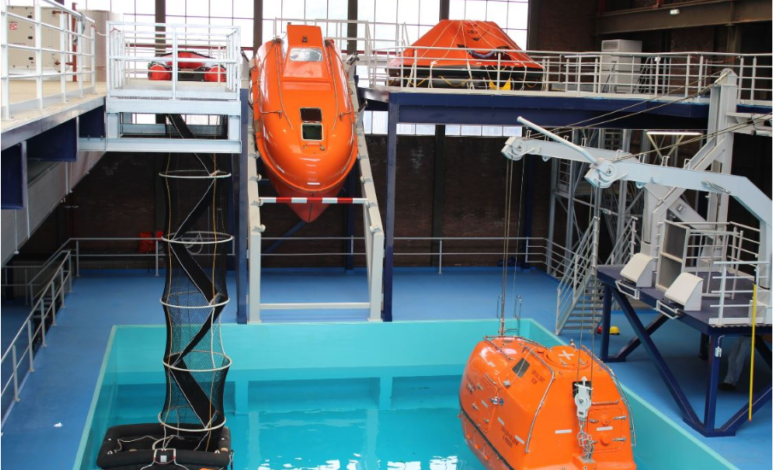
The maritime industry today is shaped by stricter environmental rules, higher safety expectations, and increasingly complex operational demands. Because of this, professionals are actively seeking structured learning opportunities at a Maritime Training Centre in Dubai to stay competent, compliant, and confident in their roles.
Dubai has become a major hub for maritime education, attracting seafarers, port operators, and safety officers from around the world. A strong training environment here does more than deliver certifications. It builds real operational readiness that professionals can apply immediately at sea and onshore.
Why a Maritime Training Centre in Dubai Matters Today
A Maritime Training Centre in Dubai plays a key role in preparing professionals for real-world challenges in shipping and offshore environments. The industry is no longer just about navigation and vessel handling. It now demands awareness of environmental responsibility, emergency response, and international compliance standards.
Training centres in Dubai are designed to reflect these realities. Courses are often built around international conventions and practical scenarios, helping learners understand not just what the rules are, but why they matter.
Professionals who train in this environment typically gain skills in:
- Maritime safety procedures and risk awareness
- Emergency preparedness and response coordination
- Environmental protection standards
- Operational communication in high-pressure situations
- Compliance with international maritime regulations
These competencies are increasingly expected across all levels of maritime operations.
Strengthening Environmental and Safety Response Skills
One of the most critical areas in modern maritime training is environmental protection. Oil spills, even small ones, can have serious ecological and financial consequences. This is why structured response training is now a core requirement in many maritime roles.
A key example is the OPRC Oil Spill Response training course – Level 1, which introduces professionals to basic spill response techniques, containment strategies, and safety procedures. While entry level, it lays the foundation for understanding how to act quickly and effectively during environmental incidents.
What professionals learn in spill response training
Participants typically cover:
- Initial assessment of spill situations
- Use of containment equipment
- Communication protocols during emergencies
- Health and safety precautions
- Coordination with response teams and authorities
What makes this training valuable is its practical nature. It is not theoretical. It prepares individuals to respond in real operational environments where time and accuracy matter.
The Role of Maritime Training in Career Development
A strong training centre does more than deliver technical knowledge. It helps professionals build confidence and decision-making ability.
In many cases, maritime workers move into roles where they are responsible for safety, coordination, or team supervision without formal training in those areas. This gap often becomes visible during emergency situations or high-pressure operations.
Structured training helps bridge that gap by providing clear procedures, real-world examples, and guided practice.
Why practical training is more effective
- It reinforces quick decision-making under pressure
- It reduces operational errors caused by uncertainty
- It improves team coordination during emergencies
- It builds confidence in handling unfamiliar situations
These benefits often translate directly into safer and more efficient operations onboard vessels and in port environments.
A Real-World Perspective
Having worked closely with maritime teams and safety professionals, one thing becomes very clear. The difference between theoretical knowledge and real operational readiness is significant.
In one case, a vessel experienced a minor fuel leak during port operations. The onboard team had general awareness of procedures but lacked hands-on spill response training. As a result, initial containment efforts were delayed, which increased cleanup time and operational disruption.
Afterwards, the company invested in structured training programs through a maritime safety provider. When a similar incident occurred later, the response was noticeably faster and better coordinated. The crew followed correct containment steps, communicated effectively with port authorities, and minimized environmental impact.
Another common issue we’ve seen involves overconfidence. Some professionals assume that experience alone is enough to handle emergency situations. However, without updated training, small mistakes in procedure or communication can escalate quickly.
These experiences highlight an important reality. Maritime safety depends on preparation, not assumption.
Institutions like London Maritime Academy often emphasize this practical approach, combining theory with real operational scenarios that reflect actual industry conditions.
Why Choosing the Right Training Centre Matters
Not all training centres offer the same level of quality or realism. Professionals should look for programs that focus on practical application rather than just classroom learning.
Key factors to consider
A reliable maritime training provider should offer:
- Industry-aligned course content
- Hands-on simulation exercises
- Experienced instructors with operational backgrounds
- Recognized certification standards
- Scenario-based emergency training
These elements ensure that training translates into real operational competence.
The Growing Importance of Environmental Preparedness
Environmental responsibility is now a core expectation in maritime operations. Companies are under increasing pressure to demonstrate compliance with international environmental standards and reduce operational risks.
Training in spill response and environmental protection is no longer optional. It is part of a professional’s core responsibility, especially for those working in offshore, shipping, and port environments.
As regulations continue to evolve, professionals who stay trained and prepared are more likely to remain valuable assets within their organizations.
Conclusion
The maritime industry continues to demand higher standards of safety, environmental awareness, and operational readiness. Choosing the right Maritime Training Centre in Dubai is not just about earning certification. It is about building the confidence and capability to respond effectively when it matters most.
Courses such as the OPRC Oil Spill Response training course – Level 1 play a vital role in preparing professionals for real-world incidents, where decisions must be fast, accurate, and well-informed.
Ultimately, maritime success is built on preparation. The more structured and practical the training, the stronger and more reliable the professional becomes in real operational environments.